The surge in AI-generated voice clones has raised security concerns over voice-biometric systems. Explore how cutting-edge AI solutions can prevent spoofing while keeping your operations efficient and secure.
The Rise of Voice Clones
Voice cloning has arrived.
What once needed a studio and weeks now takes minutes and a laptop. With a few voice notes, tools like ElevenLabs can mirror tone, pace, even breath. The result sounds close enough that your mum, or your bank, says yes. I heard a demo last week that fooled me twice, and I was listening for seams. There were none, or very few.
The cost barrier has collapsed, the skill barrier too. That shifts the risk from niche to mainstream. When access depends on something you say, not something you know, the attack surface widens. By a lot.
Voice-biometric spoofing is a direct attack on trust.
It is when an attacker uses a cloned or replayed voice to pass speaker checks. A few seconds of audio, scraped from voicemail or a post, can be enough. The system hears the right tone and rhythm, it opens the door.
Replay, recorded passphrases played back to IVR lines.
Synthesis, AI generates a voice that matches timbre and cadence.
Conversion, one live voice reshaped to sound like another.
I watched a friend trigger a bank’s voice ID with a clone, he looked almost guilty. Security teams have reported helpdesk resets granted after cloned greetings. And the famous finance transfer that used a CEO’s voice, different vector, same problem, persuasive audio.
Detection stumbles when calls are short, noisy, or routed through compressed telephony. Anti spoofing models often learn yesterday’s tricks, new attacks slip by. Agents over rely on green ticks. Or they overcompensate and lock out real customers, which hurts.
Train your voice gatekeeper to listen like a forensic analyst. Real time voice analysis checks micro prosody, room echo consistency, and breath patterns. Synthetic voices slip on tiny cues. I have heard a flawless clone clip on sibilants, perhaps a tell, but it was there. Tools like Pindrop score audio artefacts, device noise, and call routing paths to flag spoofs before they land.
Layer machine learning where humans miss patterns. Anomaly detection tracks caller behaviour over time, device fingerprints, call velocity, and impossible travel. Unsupervised models surface oddities you would never write a rule for. Then make the fraudster work hard.
Use dual authentication. Pair voice with a possession factor or a cryptographic device challenge, and inject randomised liveness prompts. Short, unpredictable, spoken passphrases break pre recorded attacks.
Future-Proofing Business Operations Against Spoofing
Future proofing starts with process, not tools.
Set a three layer defence, policy, people, platforms. Start with a zero trust voice policy. No single channel should unlock money or data. Use out of band checks, recorded passphrases, and call back controls to trusted numbers.
Train your teams. Run simulated fraud calls, short and sharp. I think monthly drills work. Track response time, escalation quality, and recovery steps. Do not wait for the breach to write the playbook.
Connect security to operations so it pays for itself. Route risky calls to senior agents, auto freeze suspicious accounts, and log every decision. A simple example, tie call risk scoring to Twilio Verify so high risk requests trigger extra checks without adding drag everywhere.
Try this, small but compounding:
Codify voice security runbooks with clear kill switches.
Automate triage alerts into your helpdesk and chat.
Adopting AI-driven solutions is essential to prevent voice-biometric spoofing. Empower your business with cutting-edge tools and resources, ensuring robust security and operational efficiency. For personalized solutions and expert insights, businesses can connect with like-minded professionals and leverage a supportive community. Discover the power of innovation by reaching out for a consultation.
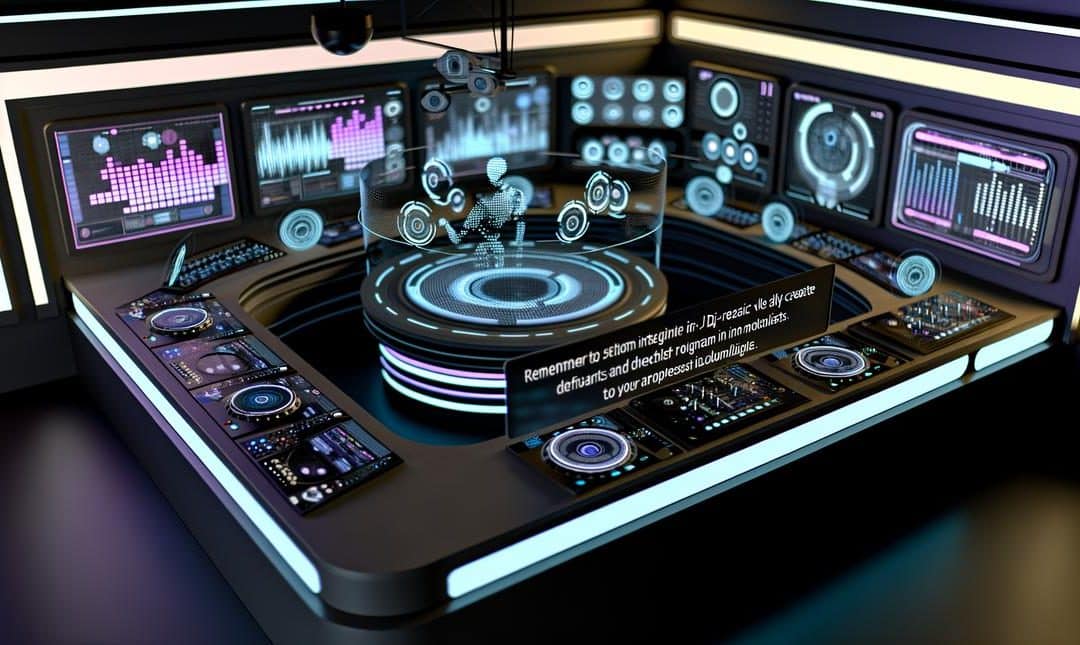
The emergence of AI-backed radio stations promises to redefine broadcasting, trading human hosts and curators for dynamic playlists and real-time AI conversations. This leap in technology not only optimizes performance and reduces costs but also invites broadcasters to harness AI-driven innovations for an unparalleled listening experience.
The Rise of AI in Broadcasting
Radio is changing.
Traditional studios are giving way to software. Playlists are scheduled by algorithms that learn rules, rights, and mood. The voice between tracks is generated, not hired, reading the room and keeping tempo without coffee breaks. I was sceptical, then I heard a late night show built with ElevenLabs and a smart scheduler, and, perhaps unfairly, I did not miss the presenter.
What makes this work is orchestration. A playout system selects the next track, an AI DJ adds real time banter, traffic, weather, sponsor lines, and handles slip ups with latency low enough to feel live. If you want the technical meat, look at real time voice agents, speech to speech interface. The stack also manages ad spots, compliance logs, and music reporting with no human in the loop.
For businesses, the draw is blunt. Cut headcount, remove rota headaches, launch new formats fast. Spin up a pop up station for a product drop. Or an in store channel across 200 locations. Results vary, I think, but the unit economics are hard to ignore.
Dynamic Playlists: The New Era
Playlists can now shape themselves to each listener.
An AI reads thousands of tiny signals in real time, skip rates, replays, volume spikes, commute length, even local weather. It maps micro moods, focus, hype, nostalgia, then builds a sequence that rises, breathes, lands. Not just more of the same. It surprises, gently. Generative models score transitions, write smart segues, surface a forgotten b side, and, sometimes, craft a short re edit that makes the next hook hit harder. It feels hand made, even when it is not.
This is radio that behaves like a private mix, at scale. Listeners stay longer, invite friends, and feel seen. I did too, the first time my 7am mix eased into a rain friendly acoustic version I had forgotten. Strange, perhaps, but it worked.
After your playlist hooks them, the voice keeps them.
Quips and tiny stories land between tracks, and no presenter is on shift.
The AI reads context from calls, texts, and comments.
It spots intent and mood, then pivots on cue.
Morning commute, bright and brisk. Late night, softer, almost confessional, perhaps. I think that is the point.
Listeners ask for weather, traffic, gigs, even gossip.
It answers fast, with tasteful personality, not canned scripts.
It remembers names and quirks, then greets them like regulars.
Next time, it says, “Back with you, Sara.”
Make every mic break feel personalised, without losing control.
Guardrails keep the banter on brand and lawful.
Profanity filters and consent prompts are baked in.
For nuts and bolts, see real-time voice agents, speech-to-speech interface.
The same engine quietly routes messages and timestamps clips, setting up the automation story next.
Operational Efficiency and Automation
Automation is the silent engine behind Radio 2.0.
While the on air patter runs itself, the real gains sit backstage. AI schedules music against target clocks, paces ad rotations, and files compliance logs. No rummaging through spreadsheets. No late night traffic reconciliations.
One playout brain can run the lot. Think smart clocks, live loudness normalisation, profanity filters, silence detection, and instant failover to a backup stream. I still like a red dashboard alert, just in case, yet it rarely fires. A single tool like Radio.co can orchestrate ingest, tagging, playout, and reporting from one screen.
Costs drop fast. Stations cut producer hours, shrink overnight staffing, and avoid penalties for missed ad delivery. I have seen back office workload fall by half, sometimes more, after one clean rollout. There are wrinkles at first. Perhaps a musician name gets mis tagged, you fix it once and move on.
The same playbook suits other sectors. Map every repetitive task, hand it to machines, and keep humans for judgement. For a broader view across operations, see how small businesses use AI for operations. Next, we will look at turning these gains into growth.
Leveraging AI for Business Growth
Revenue follows attention.
AI radio does more than cut workload, it unlocks growth levers. Segment listeners in real time, then serve tailored sets. Let an AI host greet VIPs by name, mention local weather, even a store offer. Ad loads shift by mood, time, and purchase intent. Breakfast can push app installs, late night can sell merch. The same playbook suits gyms, retail floors, and hotels.
You do not need a big team, you need a plan for growth. Alex brings tools, training, and a crowd that shares wins. Start with Master AI and Automation for Growth, then plug in Zapier where it helps. Prefer guidance, perhaps choose done with you setup.
You still want nuance, I think so. Strategy stays human. For a tailored plan, contact Alex Smale, and future proof your revenue.
Final words
AI DJs and Radio 2.0 mark a key advancement in broadcasting, offering tailored playlists and engaging dialogue without human staff. Businesses can adopt similar AI-driven solutions to streamline operations, reduce costs, and stay competitive. The opportunities unlocked by AI are vast, promising not just evolution in radio, but inspiring innovations across all industries.
Discover how AI-driven voice-native agents are revolutionizing smart homes, allowing users to automate routines effortlessly. This integration not only boosts convenience but represents a potential shift in how we interact with our living spaces. Explore the potential and practicality of these intelligent systems and how they can align with business strategies to save time, reduce costs, and enhance operations.
The Evolution of Smart Homes
Smart homes started simple.
First came timers and remote sockets, then clunky IR remotes. People put up with crashes and flat batteries. Wi Fi hubs tied rooms together and made control feel closer to natural.
The smartphone became the remote for daily life. Zigbee and Thread cut guesswork, not all of it. Voice sped things up with basic routines. I showed my dad goodnight, the house complied, he laughed.
Now the shift is from commands to orchestration. Routines adapt to presence, time, and weather. More happens on device for privacy, perhaps overdue. Products such as Philips Hue show steady progress, almost calm. Not perfect, but close.
For homes and businesses, the gain is strategic and practical. AI joins energy, stock, and upkeep to trim waste. Workflows keep records and targets intact. You prepare for the future without ripping out your kit. For a wider view, see Smart Homes That Talk Back. Next, voice native agents start coordinating the moving parts. I think that is where routines begin to feel personal, even when you barely think about them.
Voice-Native Agents: A New Era
Voice-native agents make smart homes feel personal.
They listen, remember, and act in real time. No app hopping, no fiddly menus. Speak once, the home reacts. Say goodnight, it locks doors, sets heating to night mode, dims lights, and queues white noise. I think a whispered command at 5am beats any app tap, especially with cold hands.
They matter because they reduce friction and add judgement. Not just commands, but context. If you say I am leaving, it checks windows, pauses the wash, and arms security. If the oven is on, it asks first. Small, but that prompt prevents costly mistakes.
Routine choreography: One phrase triggers many steps, in the right order.
Presence and intent: Different responses for kids, guests, or you.
Roles and guardrails: Granular access, logs, and quick handover to your phone when needed.
For teams, a voice agent feels like a calm floor manager. It preheats meeting rooms, books slots, nudges late tasks, and trims lights after closing. Energy use drops because it acts on real usage, not guesses. Pairing with Philips Hue makes lighting scenes fast to control by voice, perhaps too easy at first.
Homes and cafes alike benefit, though some workflows get messy. That is fine, we will wire the pieces next. For more perspective, see Smart homes talk back.
Integrating AI Solutions for Enhanced Efficiency
Your home can run itself with your voice.
To make that real, stitch three layers together, ears and mouth, brain, hands. The ears and mouth are far field microphones, a wake word, and a clear voice out. The brain is speech recognition and intent parsing, on device if you want privacy, in the cloud if you want reach. The hands are your devices, joined through Matter, Zigbee, Thread, or MQTT, all speaking in the same room.
I think start small, perhaps lights and heating, then expand. A practical flow works like this:
– Map the moments you repeat, time, occupancy, and sensor triggers.
– Pick a central hub such as Home Assistant, then wire in devices through your chosen standards.
– Connect external apps with webhooks or a light middleware, see 3 great ways to use Zapier automations to beef up your business and make it more profitable.
– Set guardrails, role based permissions, consent prompts, audit logs, and an offline fallback.
– Track outcomes, energy use, response times, and staff hours reclaimed.
Homes get convenience. Small offices cut routine admin and after hours callouts. I still prefer a local hub at night, yet cloud is fine for multi site reporting. Both work, oddly well, when the voice agent orchestrates the lot.
Future-Proofing with AI: The Business Perspective
Smart homes are now boardroom tools.
Voice native agents do more than dim lights. They stitch daily routines into repeatable, revenue aware habits. When sales calls, stock checks and energy controls respond to a spoken prompt, leaders get faster decisions and fewer dropped balls. Future proofing here is not about gadgets, it is about a clear plan, a small pilot, then scale with control. I have seen a boutique hotel cut night shift response times in a week, tiny change, big signal.
What you get from a practical consultant
AI automation tools, prebuilt playbooks for voice triggers, lead routing, field support and energy rules. Zapier connects well, but use it wisely.
Community collaboration, a working group that shares voice prompts, governance templates and hard numbers.
Educational material, short courses, SOPs and a consent checklist for voice data, the stuff that keeps risk low.
Set measures that matter, lead response time, order accuracy, energy spend per site. Yes, some teams will resist at first, perhaps due to unclear wins. Show a simple before and after. For a deeper primer on voice at work, read AI voice assistants for business productivity.
If you want a plan that fits your exact setup, connect with an expert. Let the strategy shape the tech, not the other way round.
Final words
Voice-native agents have created a new frontier for smart homes, enhancing convenience and efficiency. Businesses can capitalize on AI integration for robust savings and streamlined operations. Embrace the future of intelligent automation to stay ahead of the competition.
Imagine a home that not only responds to your voice but also learns to anticipate your needs. Discover how voice-native agents are revolutionizing smart home automation by orchestrating routines that save time and enhance convenience for homeowners. Dive into the world of AI-driven solutions that bring a seamless, intuitive experience to your fingertips.
The Rise of Voice-Native Agents
Voice agents grew up.
Early versions heard wake words and obeyed one line commands. Useful, but blunt. Now they track context across chats, notice tone, and recognise who is speaking. They pause, they clarify, they handle interruptions without losing the thread. I remember the first time mine asked a follow up question, I blinked, then smiled.
The leap came from better speech models, smarter intent detection, and analytics that read nuance, not just words. We moved from transcription to understanding, from literal to interpretive. If you want a deeper dive, this covers it well, Beyond transcription, emotion, prosody and intent detection.
Cue sensitivity, it hears stress, sarcasm, or a whisper and adjusts.
Routine prediction, patterns become prompts, prompts become action.
So the agent learns that you boil the kettle at seven, dims lights at dusk, and, perhaps, reminds you if the back door is still open. It does not just listen, it infers, then acts with a light touch. Systems like Amazon Alexa now stitch multi turn requests into natural dialogues that feel almost obvious. I think this is where the magic starts, not the showy bits, the quiet wins that save minutes and mental load. The next step, how it choreographs whole-home routines, is where it gets even smarter.
Orchestrating Home Routines
Your home should run itself.
Voice-native agents act like a conductor, linking thermostats, lights, blinds, speakers and locks. They hear one cue, then coordinate across hubs and APIs. Capability mapping stitches scenes, resolves conflicts, and logs what happened. It feels simple, even when the wiring is not.
Say good morning. Heating nudges to 20°C, blinds lift 30 per cent, kitchen lights warm to 2700K. A traffic update plays. Say good night. Doors lock, alarm arms, hallway lights dim for five minutes. Leaving home, geofencing shifts to eco mode.
It adapts to you. Philips Hue remembers your evening colour, your partner prefers daylight. The agent splits scenes by room and person. Weekends run later. School nights mute speakers near the nursery, perhaps. Guests get a temporary profile with simpler commands.
All of this needs speed. Conversations feel natural thanks to real-time voice agents that cut lag. You speak, lights react, everything else cascades. Small touches save minutes each day. Over a year, that is hours back. I think that calm is the real upgrade.
The Role of AI in Enhancing Smart Home Experiences
AI makes smart homes feel personal.
It studies tiny patterns that you barely notice. Bedtime drifts ten minutes later, music taste shifts toward acoustic, heating prefers a slower climb. Over a week, it nudges scenes and set points to match you, not a template. You still speak to confirm, perhaps to correct, and the system adapts again. It learns your comfort thresholds, then gets braver with context, rain coming, guests arriving, late finish on your calendar.
Voice‑native agents turn voice into intent, and intent into timing. They parse tone, presence, and location, then act only when the moment is right. I think the magic shows up in the small acts. I caught mine suggesting warmer light before rain, which felt uncanny, almost cheeky.
There is a deeper layer that rewards curiosity. AI automation consultants bring tools that spark ideas and trim friction. Quick wins arrive through prompt libraries for household briefs, energy snapshots you can act on, and simple experiments, yes, A or B, which routine feels better. For a broader view on tailored experiences, Alex has written about personalisation at scale.
One example, Philips Hue scenes that shift with your habits rather than fixed times. I like the calm, though sometimes I want control back. That is fine, you can take the wheel, then hand it over again when you are ready.
Empowering Your Home with Expert Guidance
Smart homes work better with expert hands.
Voice native agents shine when they are orchestrated, not just installed. Routines need clear roles, clean triggers, and fallbacks for when devices sulk. A vendor neutral hub like Home Assistant keeps your lights, heating, and security listening to the same plan, not talking over each other.
You do not need to figure it all out alone. The right partner brings three layers that move you faster:
Comprehensive learning, short videos, checklists, and playbooks that make complex steps simple.
Prebuilt platforms, proven flows for voice routines, alerts, and multi room scenes you can adapt.
Accessible tools, dashboards and templates so you can tweak without breaking anything.
I have seen routines fail because of latency or noisy prompts. Experts tighten prompts, add privacy guardrails, and set test runs for every change. They shift critical commands to on device models to cut lag. If that feels a bit technical, skim this piece on on device voice AI that works offline. It explains why timing and privacy matter, perhaps more than you think.
If you want clarity, book a quick chat. Book a consultation with Alex Smale and tap into a supportive community, audits, and ongoing guidance. You could tinker for months. I think one session will pay back this week.
Final words
Voice-native agents are paving the way for a new level of smart home automation. By streamlining routines and offering predictive convenience, they embody the future of home technology. Embrace AI-driven solutions to create an environment that is responsive, efficient, and tailored to your lifestyle needs. For further guidance, consider expert consultancy to maximize these benefits.
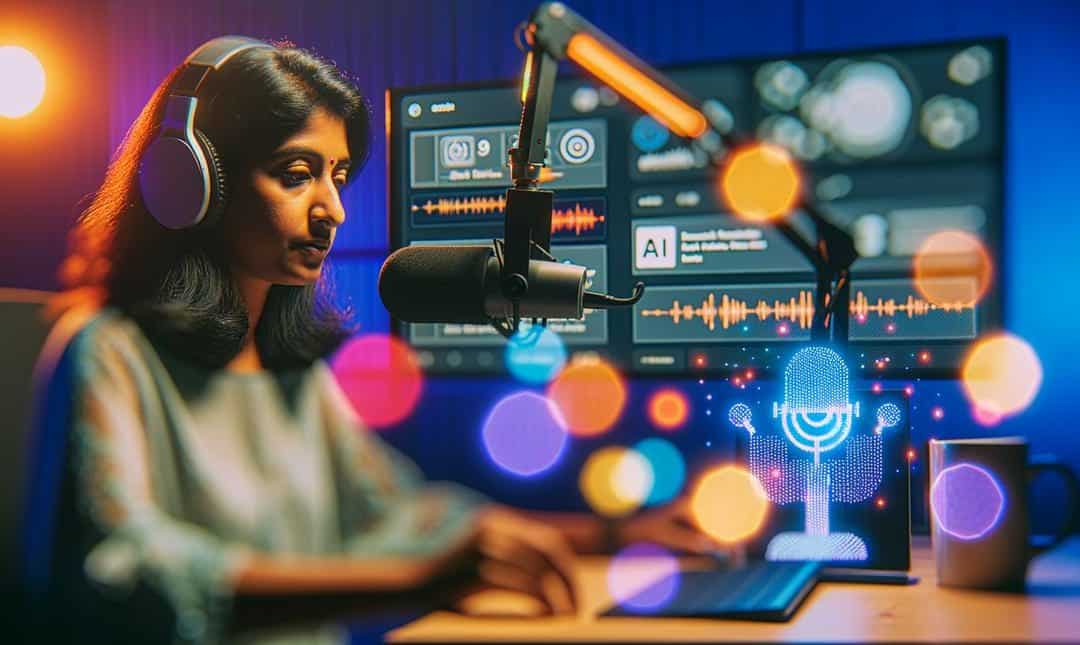
Explore how Voice AI is transforming podcasting from start to finish. Discover the power of AI-driven automation for creating, producing, and distributing engaging podcast episodes efficiently.
The Role of AI in Modern Podcasting
AI has changed how podcasts are made.
Voice AI takes the heavy lifting out of production, then gives you creative headroom. Clean vocal takes from messy rooms, auto levelling that tames peaks, and smart noise removal that keeps warmth. I still do a manual listen, old habits, but the base sound is already strong. Tools map tone and pacing, so your voice stays consistent across episodes, even if you record in different places.
Editing becomes quicker. Automatic transcripts appear in minutes, with speaker separation and searchable timelines. Chapters, show notes, and clip highlights are drafted before your coffee cools. I used to spend hours chopping ums, now a filler pass tidies most of it in one go. Descript can handle this in a single timeline, which is handy.
Costs drop because time drops. You get broadcast loudness targets, de‑essing, and gentle EQ, with one click. Ad breaks find natural seams, music beds sit under dialogue without wrestling faders. It is not perfect, but it is close.
From here, we can move toward shaping ideas, prompts, and structure, which is where things get interesting.
Creating Engaging Content with Voice AI
Good ideas win ears.
Prompts turn a vague theme into a sharp episode. Start from the listener, not the mic. Ask your Voice AI for twelve angles on one pain point, ranked by novelty and search intent. Then push it further, request contrarian takes, personal anecdotes you can adapt, even a cold open that hooks in eight seconds. I like to run three versions, then merge the best lines. It feels messy, but the mess creates texture.
Scriptwork gets faster when the AI reads back at draft stage. Calibrate tone, pace, and pauses, then tweak emotion on key beats. If you care about delivery nuance, this piece on Beyond transcription, emotion, prosody, intent detection will help you tune prompts for cadence and emphasis. A quick rehearsal in Descript catches clunky phrasing before you ever hit record. Perhaps over cautious, but it saves retakes.
Guests, the plan, the run of show, all benefit from prompt packs. Try:
Guest radar: shortlist five guests with overlapping audiences and fresh case studies.
Outreach: draft a 90 word pitch that sells the topic, not me.
Question bank: ten questions, escalating from simple to revealing, with optional follow ups.
Lock the outline, name your segments, and generate social teasers in parallel. The production automations come next, and they will carry the weight, but the content starts here. I think that is the honest bit.
Streamlining Production Processes
Production should not slow your show.
Once the script is locked, the grind starts. Or it used to. Set up a smart chain, and the raw take becomes a publish ready episode while you make coffee. I like one product to run the plumbing, Make.com, wired to your editor and storage. Simple, reliable, repeatable.
Here is a clean, repeatable flow that saves hours and keeps quality steady:
Auto ingest files from your recorder, name them consistently, apply versioning.
Trim silences, remove ums, fix breaths and mouth clicks, level to podcast LUFS.
Apply a preset mix, EQ, de‑ess, gentle compression, then duck the music bed.
Detect peaks, plosives and clipping, flag anything risky for a quick human pass.
Generate chapter markers, show notes, and clean audiograms from the final mix.
One caution, automate almost everything, but keep a human gate. A single approve or reject step prevents mistakes. I think that balance keeps standards without slowing you down. Perhaps that is conservative, yet it pays.
When the master hits approved, hand it straight to the distribution queue. That is next.
Distributing Podcasts Efficiently with AI
Distribution decides who hears your show.
You have the episode. Now AI pushes it where it matters, Apple Podcasts, Spotify, YouTube, even niche apps. It handles file specs, chapters, loudness, captions, and the dull compliance bits you would rather ignore. Titles and descriptions get tuned to each platform’s quirks. Smart links carry UTM tags so every click tells a story. If you publish in multiple markets, it drafts localised notes. Not perfect every time, but close, and faster than a human.
Timing is not guesswork. AI maps when your audience actually listens, by time zone, device, and day. Releases can stagger by region, or stack for a single splash. Long shows become audiograms, shorts, threads, and email blurbs. Captions sound native to each channel. It can even queue posts via Buffer. If you need a primer on tooling, this helps, AI tools for small business social media management guide.
Then the scoreboard. Completion rates, average listening position, drop offs, replay spikes, CTA clicks, site visits, all stitched together. You see which hooks win, which thumbnails stall. The system suggests specific fixes, shorten the cold open, move proof earlier, shift the hero image.
Delivery gets tailored too. Skimmers see clips first. Binge listeners get full episodes and early drops. Commute heavy segments get 20 minute cuts at 7am local. I prefer a measured rollout, perhaps you want everything at once, both can work. Next, we take these signals and make the experience feel personal.
Engaging the Audience with AI
Personalisation keeps listeners loyal.
You already pushed the show everywhere, now make every listener feel seen. AI turns a broadcast into a one to one chat. It maps preferences from skips, replays, comments, even silence. Then it serves the right clip, at the right moment. I think that is where the magic sits.
– Smarter recommendations: micro trailers inside your feed that point to the perfect back catalogue episode, not a guess, a match.
– Interactive listening: voice Q and A, polls, and choose your next segment prompts, powered by intent and emotion cues, see Beyond transcription, emotion, prosody, intent detection.
– Dynamic segments: swap intros, ad reads, or expert tips based on topic affinity, commute length, even timezone.
Real examples exist. NPR One curates a personal queue. Spotify DJ shows how audio can feel tailored without effort. Your show can echo that, perhaps not perfectly at first.
The feedback loop is where retention jumps. Cluster listeners by themes, then trigger segments they binge. Watch completion rates rise, replies double, and weirdly, negative reviews fall. My own test saw more playthroughs and fewer drop offs. Small sample, big signal.
You are not chasing reach here, you are building habit. Next, bring in community support to keep that habit alive, and growing.
Future-Proof Your Podcast with AI Community Support
Community keeps your podcast alive.
AI tools change, prompts drift, policies shift. Alone, that is exhausting. With a knowledgeable community and the right resources, you ship episodes on time, even when models move the goalposts. You learn what actually works, not theory. I have seen new hosts beat veterans simply because they asked smarter questions, earlier. It surprised me at first.
You do not need ten forums. You need one place that cuts the noise and hands you practical help. That is what my support network is built for, and yes, it is active, every week.
Step by step learning, clear playbooks, checklists, and short videos that you can follow on a busy Tuesday.
Live support, real feedback on your prompts, voice tuning, and editing flow. Sometimes we fix it on the call.
Custom AI solutions, from script generators to consent workflows and audit trails, so you stay compliant tomorrow, not just today.
Policies around voice cloning are moving targets. Read From clones to consent, the new rules of ethical voice AI in 2025, then decide if your current setup is ready. Perhaps it is, perhaps not. I think most shows need small tweaks, not a rebuild. Tools like ElevenLabs are powerful, but process beats software.
If you want personalised advice, or a quick sanity check, Contact Alex. Let us future proof your show, before the next update drops.
Final words
Voice AI revolutionizes podcasting by enhancing creativity, reducing production time, and optimizing distribution. Leveraging AI tools like those offered by the consultant can empower podcasters to remain competitive and innovative. By engaging with dedicated AI communities and accessing ongoing learning resources, creators can ensure their podcast’s success and longevity.